top of page


Neurodiversity & Neuroinclusion Blog
Learn more about divergent ways of thinking.
Search
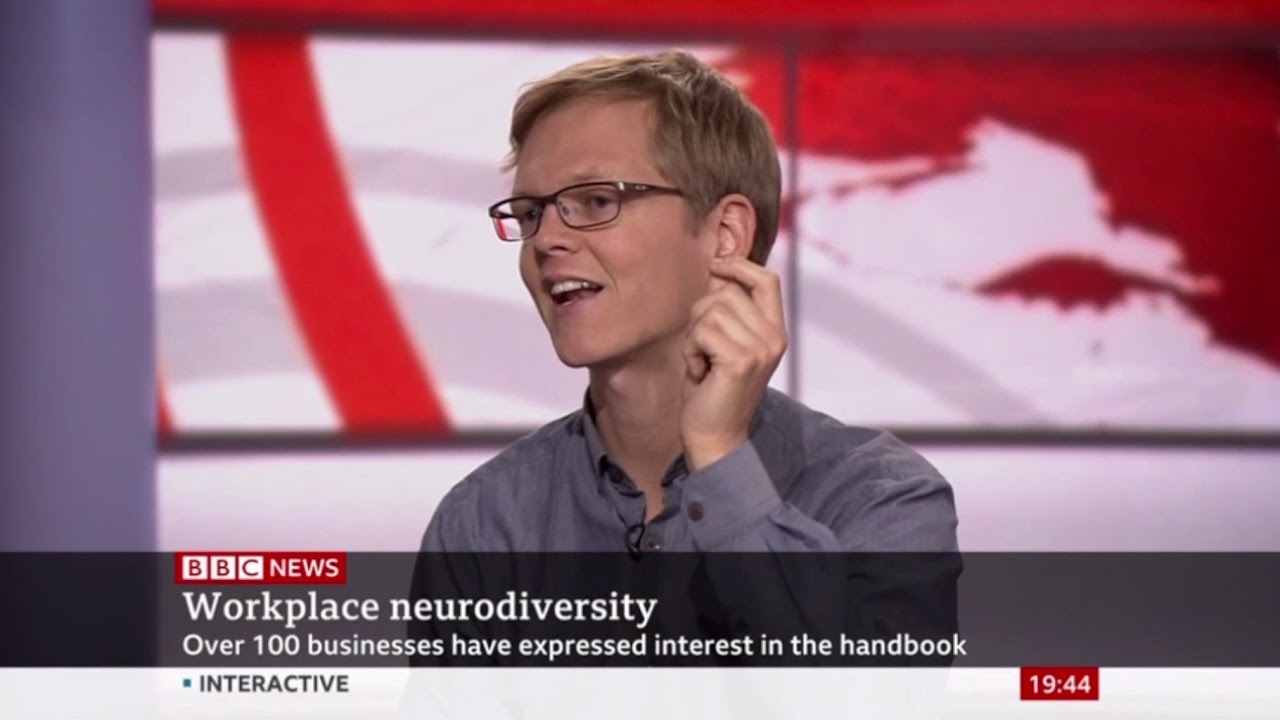
Unlocking Talent: Why Hiring Neurodiverse Employees Is a Competitive Advantage
Why hiring neurodivergent employees can be a competitive advantage when organisations remove barriers and design work around strengths, clarity and inclusion.
Sep 106 min read

The Rigged Game: Why AI Recruitment Is Failing Neurodivergent Talent
Why AI recruitment can disadvantage neurodivergent candidates, and how employers can reduce bias, ambiguity and unfair filtering in hiring systems.
Aug 67 min read


How to write inclusive job descriptions that assess the job
Define the work, separate genuine essentials from trainable skills and tell candidates how each requirement will be assessed.
May 113 min read


Hiring Without Gatekeeping: Skills-First Tasks Over CV Proxies
How skills-first hiring reduces gatekeeping by replacing CV proxies, polish, and small talk with clearer evidence of real job-relevant ability.
Apr 202 min read


What neurodivergent candidates need from recruitment
A clear, fair process helps people spend less effort decoding recruitment and more effort showing what they can do.
Apr 94 min read


Accessing Neurodivergent Talent Through Inclusive Hiring Practices
How inclusive hiring helps organisations access neurodivergent talent by reducing barriers in job adverts, interviews, adjustment requests and selection processes.
Apr 86 min read


Neuroinclusive Hiring: How to Design Recruitment That Finds Better Talent
How to design neuroinclusive recruitment that finds better talent by reducing ambiguity, improving job adverts and making interviews more job-relevant.
Apr 26 min read
bottom of page