top of page


Neurodiversity & Neuroinclusion Blog
Learn more about divergent ways of thinking.
Search


Neurodiversity as a Competitive Advantage: How Different Minds Improve Performance
A practical guide to how different cognitive styles can improve innovation, problem-solving and performance—and what leaders can change to unlock the value.
May 293 min read


Reasonable Adjustments at Work: Practical Examples for Neurodivergent Employees
Practical UK examples of reasonable adjustments for autistic, ADHD, dyslexic and dyspraxic employees—plus guidance on making support work.
May 285 min read


Sensory Overload at Work: A Practical Checklist for Offices and Hybrid Teams
Sensory needs are often treated as “preferences”. In reality, sensory load can be a barrier to performance—especially in modern workplaces built around open-plan noise, hot-desking, bright lighting, constant interruptions, and back-to-back video calls. This isn’t a niche issue. It affects focus, decision-making, stress levels, and burnout risk across teams. Neurodivergent people may feel it more intensely, but everyone benefits when environments reduce unnecessary sensory fri
8 hours ago4 min read


What Changed Everything: How the Right Support at University Can Transform a Neurodivergent Life
How the right university support can transform a neurodivergent life, from confidence and access to belonging, study strategies and future work.
1 day ago6 min read


How Line Managers Can Support Neurodivergent Employees: 3 Priorities That Matter
Line managers have more impact on neuroinclusion than most policies ever will. They shape how work is explained, how safe it feels to ask for support, how flexible the team can be, and whether difference is treated as a problem or as part of normal working life. That matters because the capability gap is still real. The CIPD’s Neuroinclusion at Work report found that only 18% of employers said line managers receive training on how to respond when an employee says they ar
3 days ago4 min read


Nonprofit Builder: Small fixes and practical office hours for neuroinclusive teams
A webinar with Nonprofit Builder was followed by practical support and an evergreen article about clarity, meetings and wor.
4 days ago5 min read


Reasonable Adjustments: A Manager Script That Actually Works
Most reasonable adjustments processes fail for one of three reasons: They’re too medicalised (people feel they need a diagnosis to be taken seriously). They’re too inconsistent (depends on the manager). They’re too vague (“Tell us what you need”) without giving a structure to figure it out. A good adjustments conversation is practical, consent-first, and focused on work design—not personal disclosure. This post gives you a simple manager script you can use in 15–30 minutes, p
Sep 183 min read


Unlocking the Leaders of Tomorrow: Neurodiversity and Career Progression
Why neurodiversity and career progression matter for future leaders, and how organisations can stop overlooking potential because it does not look conventional.
Sep 173 min read


How HR Can Help Managers Coach Neurodivergent Teams
If neuroinclusion is going to work in practice, HR cannot do it alone and line managers cannot improvise it. The most effective organisations treat HR and line managers as a partnership: HR builds the framework, capability and consistency; managers turn that into day-to-day support, development and performance. The manager layer matters because line managers influence induction, workload, feedback, progression, adjustments and psychological safety more than almost any policy
Sep 166 min read


Global Diversity Practice: From an internal taster to practical neuroinclusion
A focused internal learning session helped Global Diversity Practice assess Divergent Thinking's approach and demonstrated how the approach could support future collaboration.
Sep 145 min read


Performance Management Without Guesswork: A Neuroinclusive Approach
Performance management often fails for one reason: standards live in someone’s head . When expectations are implied, feedback is delayed, and “professionalism” is judged socially rather than explicitly, neurodivergent staff are more likely to be misunderstood—and managers end up dealing with avoidable issues late, under pressure. Neuroinclusive performance management isn’t about lowering standards. It’s about making standards legible and support practical—so performance is fa
Sep 113 min read
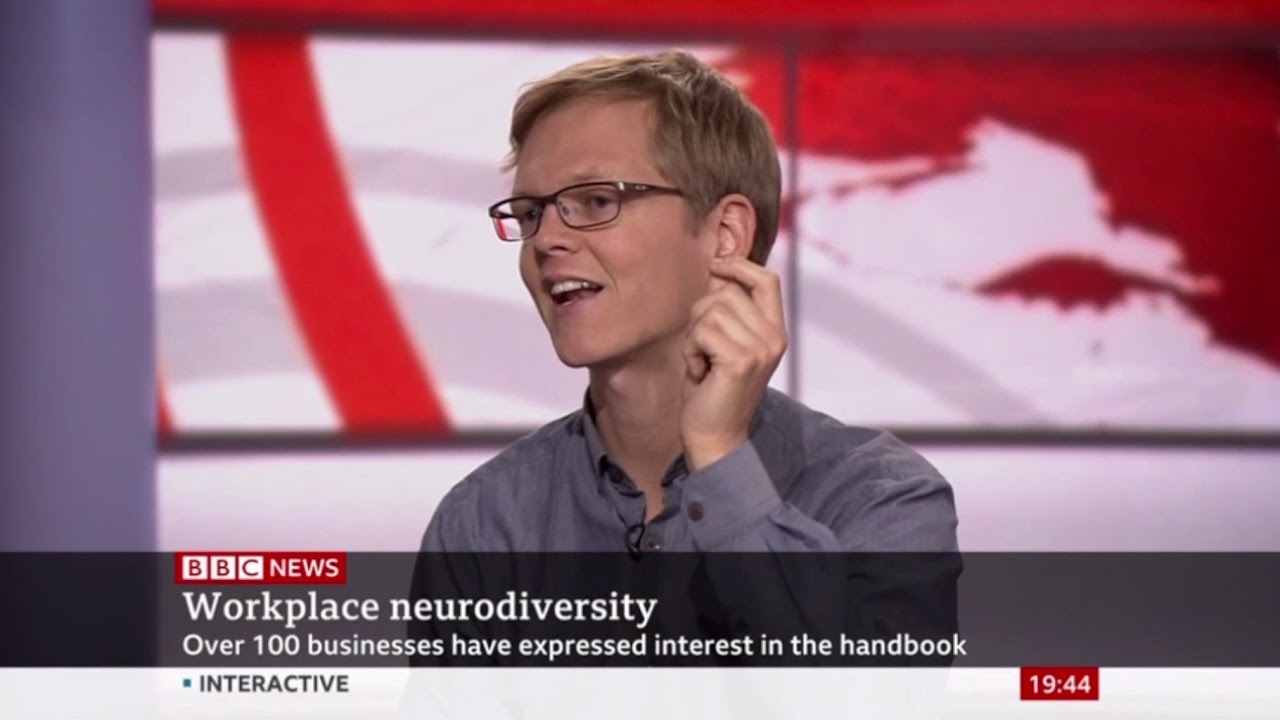
Unlocking Talent: Why Hiring Neurodiverse Employees Is a Competitive Advantage
Why hiring neurodivergent employees can be a competitive advantage when organisations remove barriers and design work around strengths, clarity and inclusion.
Sep 106 min read


How ADHD Impacts Daily Life
ADHD is often misunderstood as just being about distraction or “having too much energy”. In reality, it can affect almost every part of daily life — from routines, time management and memory to emotions, relationships, work and self-esteem. According to the NHS overview of ADHD , ADHD can affect people’s behaviour in ways such as inattentiveness, hyperactivity and impulsiveness, but those labels only tell part of the story. The more difficult part for many people is not und
Sep 96 min read


Newcastle University: When lived experience changes the research question
A sustained role in Newcastle University’s dyspraxia research brought lived experience into questionnaire design, recruitment and the early development of a proposed intervention for adults with dyspraxia.
Sep 75 min read


Neuroinclusive Recruitment: Fixing Assessments, Interviews, and Hidden Bias (Without Lowering Standards)
Most organisations want to hire neurodivergent talent. But their recruitment process often filters out the very people they hope to attract—by measuring coping skills (speed, social performance, tolerance of ambiguity) rather than job-relevant skill. Neuroinclusive recruitment isn’t about lowering standards. It’s about making selection methods valid, accessible, and fair. This post is a practical guide for HR, hiring managers, and leaders: where bias shows up, what to change,
Sep 44 min read

Unleashing Potential: From Dyslexia to Social Entrepreneurship
A story of dyslexia, social entrepreneurship and turning difference into practical impact, leadership and systems change.
Sep 36 min read


From Toolkit to Training: Why Autistic-Inclusive Digital Communication Must Move From Research Into Everyday Practice
On 17 March 2026, we’re hosting an online roundtable called “Autistic-Inclusive Digital Communication Roundtable: Toolkit to Training” with Queen Mary University of London. The session is designed to do something we care about deeply at Divergent Thinking: turn strong research into practical training employers can actually use. You can view the event here: Autistic-Inclusive Digital Communication Roundtable: Toolkit to Training What makes this event feel important to us is th
Sep 24 min read


Neuroinclusive Meetings: A Simple Standard That Improves Performance
Most organisations don’t have a “meeting problem”. They have a decision problem. Meetings become long, ambiguous, and exhausting when people aren’t clear on why they’re there, what’s being decided, and what happens next. Neurodivergent colleagues often feel the cost first—but the benefit of fixing meetings is universal: less rework, fewer misunderstandings, faster execution. If you want your managers trained to run neuroinclusive meetings (online or in-person), start here:...
Aug 283 min read


Doughty Street Chambers: Practical neuroinclusion for client-facing teams at Doughty Street Chambers
A tailored session helped staff at Doughty Street Chambers respond more clearly and confidently when clients, visitors or colleagues may be overwhelmed, distressed or communicating differently.
Aug 272 min read


Neuroinclusion in Nurseries: Simple Changes That Make a Big Difference
Practical neuroinclusion ideas for nurseries and early years teams, including communication, language, environment and everyday support.
Aug 274 min read
bottom of page